A room that never feels comfortable is often signaling more than a thermostat problem. If you are searching for how to fix weak vent airflow, the real cause may be hidden behind a grille, inside the ductwork, or at the HVAC equipment itself. Restricted airflow can leave rooms stuffy, increase dust and allergens, strain your heating and cooling system, and raise energy costs.
For homes, apartments, offices, and commercial buildings, the right fix starts with identifying what type of vent is underperforming. A weak supply vent from your HVAC system needs a different solution than a bathroom exhaust fan or dryer vent. Professional inspection helps locate the restriction without guessing or damaging the system.
Start by Identifying Which Vent Has Weak Airflow
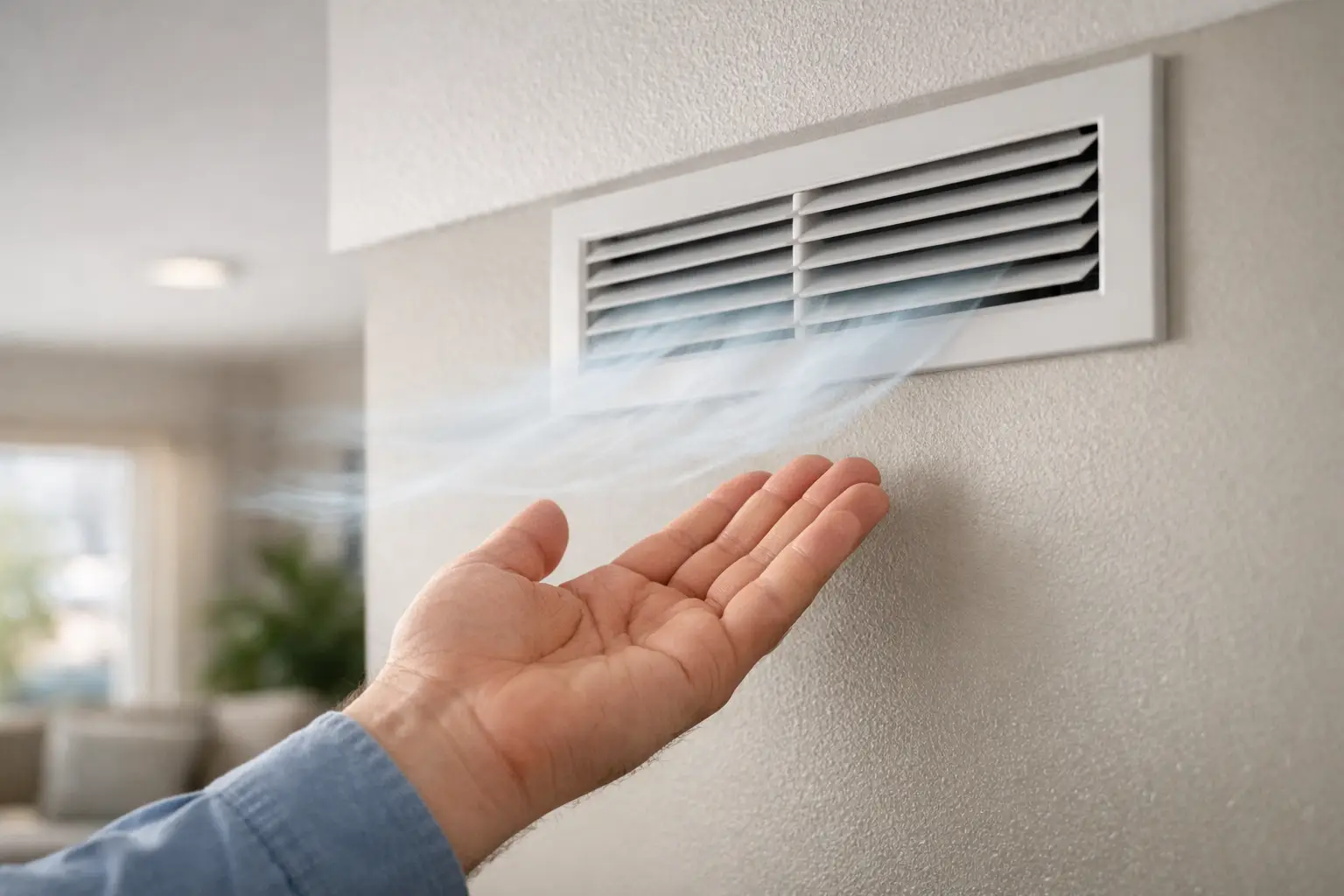
Supply vents deliver heated or cooled air into a room. When these vents are weak, you may notice hot or cold spots, rooms that take too long to reach the set temperature, or little airflow compared with nearby rooms. The issue can be as simple as a closed register, but it can also point to blocked ducts, duct damage, a dirty HVAC filter, or equipment that is not moving air properly.
Return vents pull indoor air back to the HVAC system. A blocked return can reduce airflow throughout the building, not just in one room. Furniture, rugs, storage boxes, and heavy dust buildup can all interfere with a return grille.
Bathroom vents and kitchen exhaust systems remove humidity, odors, and airborne particles. Weak exhaust can lead to lingering moisture, peeling paint, mildew odors, and mold risk. Dryer vents are especially urgent: poor airflow can make clothes take longer to dry, cause excess heat around the dryer, and create a serious fire hazard when lint builds up in the vent line.
Common Reasons Vent Airflow Gets Weak
Airflow problems rarely appear without a cause. In many properties, the issue develops gradually as dust, lint, debris, or damage accumulates over time. A professional inspection can separate a minor maintenance need from a larger duct or equipment problem.
A clogged HVAC filter is one of the most common causes. When a filter is overdue for replacement, the system has to work harder to pull air through it. The result may be weaker airflow at several vents, more dust circulating indoors, and unnecessary strain on the blower motor.
Duct buildup is another frequent issue. Dust, construction debris, pet hair, and other particles can collect inside ductwork, especially in older systems or buildings with renovation history. While surface dust around a register may be visible, the restriction farther inside the duct is often not.
Damaged, disconnected, crushed, or leaking ducts can also reduce airflow. This is common in attics, basements, crawl spaces, utility areas, and behind walls where ductwork is out of sight. Air may be escaping before it reaches the room, or a section may have shifted and narrowed enough to restrict the air path.
For exhaust vents, the problem is often a blocked exterior termination, a clogged fan housing, or a vent line that is too long, kinked, or improperly installed. Dryer vent lines can collect dense lint deposits that ordinary cleaning methods do not fully remove.
Signs You Should Schedule a Professional Inspection
Weak airflow is not always dramatic. It can show up as small, repeated frustrations that become more expensive if ignored. Pay attention when you notice four or more of these signs:
- One or more rooms stay warmer or colder than the rest of the property.
- The HVAC system runs longer but comfort does not improve.
- Dust returns quickly after cleaning, or allergy and asthma symptoms seem worse indoors.
- Bathroom mirrors, walls, or ceilings stay damp long after a shower.
- The dryer needs multiple cycles, feels unusually hot, or leaves a burning odor.
- You hear rattling, whistling, or banging near ducts, grilles, or exhaust fans.
These symptoms do not automatically mean the ducts need cleaning. For example, weak airflow in every room could be related to the filter, blower, coil, or system capacity. Weak airflow in one room is more likely to involve a closed damper, disconnected duct, obstruction, or poor duct design. That distinction matters because the best repair depends on the source of the problem.
How to Fix Weak Vent Airflow Without Guesswork
There are a few basic checks a property owner can make safely. Confirm that supply registers are open and not blocked by furniture or curtains. Make sure return vents have clear space around them. If your HVAC filter is dirty or past its recommended replacement interval, install the correct filter size and type according to your equipment requirements.
Beyond those simple steps, avoid forcing objects, brushes, or vacuum hoses deep into ducts or vent lines. DIY attempts can puncture flexible ductwork, dislodge connections, push debris farther into the system, or miss the actual blockage. Dryer and bathroom vent systems also need proper reassembly and exterior airflow verification after service.
A thorough professional assessment should inspect accessible registers, duct connections, airflow pathways, equipment condition, and exterior vent terminations where applicable. Video inspection is particularly useful because it provides visible evidence of buildup, damage, or obstructions inside areas that cannot be safely evaluated from the vent opening alone.
If cleaning is appropriate, HEPA-filtered equipment helps contain collected dust and debris rather than releasing it back into the property. When odors, residue, or specific contamination concerns are present, cleaning methods should be selected carefully for the system and indoor environment. The goal is not simply to make vents look clean. It is to restore a clear air path while protecting the HVAC system and the people who use the building.
When Cleaning Is Not Enough
Cleaning can improve airflow when debris or lint is the primary restriction, but it cannot repair damaged or poorly designed ductwork. A crushed flex duct, loose connection, broken bathroom fan, failed damper, undersized return, or aging blower motor requires repair or replacement work.
This is where an inspection prevents wasted money. If the duct is leaking or disconnected, cleaning alone will not deliver the air to the room. If a bathroom exhaust fan is too weak for the room size, the fan may need replacement rather than repeated cleaning. If a dryer vent has excessive bends or an unsafe material, replacement may be the safer long-term choice.
Commercial properties may have added concerns, including larger duct runs, higher occupancy, grease or moisture exposure, and areas that must remain operational. Facility managers benefit from addressing weak airflow early, before it contributes to tenant complaints, moisture damage, equipment wear, or disruptions to daily operations.
Protect Air Quality, Comfort, and Safety
Restoring airflow does more than make a room feel better. Clear, properly functioning vents help your HVAC system circulate conditioned air more efficiently. Bathroom ventilation helps remove moisture before it can contribute to mold growth. A clean, unrestricted dryer vent helps reduce drying times and lowers the risk associated with trapped lint and heat.
For families, this can mean less dust circulating through living spaces and fewer indoor irritants settling around the home. For landlords and business owners, it supports cleaner properties, better occupant comfort, and more dependable building performance.
Pro Air Cleaners provides professional duct, dryer vent, bathroom vent, and vent repair services with experienced technicians, HEPA-filtered cleaning methods, and video inspections that show what is happening inside the system. A free estimate can help determine whether your airflow issue calls for cleaning, repair, replacement, or HVAC service.
Weak vent airflow is worth addressing while it is still an inconvenience, not after it becomes a comfort, moisture, or safety problem. A clear diagnosis gives you a practical path back to cleaner air and a system that can do its job.