
A dryer that takes two or three cycles to finish a normal load is not just frustrating. It can be a warning that heat and lint are building up where they should not be. Knowing how to prevent dryer fires starts with treating your dryer vent as a safety system, not an out-of-sight appliance connection.
Dryer fires often begin with a combination of restricted airflow, accumulated lint, excessive heat, and damaged or improperly installed venting. The dryer may still run, but it has to work harder to push moist air outdoors. That strain raises operating temperatures, wastes energy, wears down the appliance, and creates conditions that can put a home, apartment building, laundry room, or commercial property at risk.
How to Prevent Dryer Fires With Proper Vent Care
The lint screen is useful, but it is only the first line of defense. Fine lint passes through the screen during every cycle and can collect inside the dryer cabinet, transition hose, wall duct, elbows, roof or exterior termination, and vent cover. Over time, that buildup narrows the path for air to escape.
A clear vent allows hot, humid air to move outside efficiently. A clogged vent traps that heat in the system. When airflow drops, clothes take longer to dry, the dryer runs hotter, and lint has more opportunity to ignite near high-temperature components.
For homeowners and property managers, the safest approach is routine professional dryer vent cleaning paired with a complete inspection. A qualified technician can remove lint from the full vent path, check the connection behind the dryer, identify crushed or disconnected ductwork, and confirm that air is reaching the exterior as intended. This is especially valuable when the vent run is long, passes through walls or ceilings, has multiple turns, or exits through a roof.
Warning Signs That Should Not Be Ignored
Dryer vent problems rarely appear without notice. The most common sign is longer drying time. If towels, bedding, or everyday clothing need more than one cycle, restricted airflow may be the cause. A dryer that feels unusually hot on the outside, gives off a burning smell, or leaves the laundry room hot and humid also deserves prompt attention.
You may also notice that the exterior vent flap barely opens while the dryer is running. In some cases, lint is visible around the outdoor vent hood, or moisture and lint are collecting behind the appliance. These are not cosmetic issues. They indicate that the system may not be exhausting safely.
In multifamily and commercial properties, warning signs can be harder to catch because laundry equipment is used more frequently and may be located in utility rooms, shared spaces, or tenant areas. Property managers should pay close attention to repeated maintenance requests, high utility use, machine overheating, and dryers that are regularly taken out of service. A scheduled vent maintenance plan is usually more reliable than waiting for a complaint or breakdown.
The Vent Material and Layout Matter
Not all dryer vent connections are safe or durable. Flexible plastic or foil-style ducts can sag, tear, trap lint in their ridges, and become damaged when the dryer is pushed back into place. These materials are more likely to restrict airflow and should be evaluated for replacement.
A properly installed metal transition duct and smooth metal venting offer a safer path for air to move through the system. The route should be as short and direct as the building allows, with limited turns and secure connections. Every unnecessary bend adds resistance, giving lint more places to settle.
A professional inspection can also uncover problems that cleaning alone will not solve. Ducts may be disconnected inside a wall, improperly taped, crushed behind the dryer, routed into an attic or crawlspace, or terminated with a screen that catches lint. If a vent cannot discharge freely outdoors, cleaning it is only a temporary step. Repair or replacement may be needed to correct the underlying fire risk.
Why Dryer Vent Cleaning Protects More Than the Appliance
A clean, properly functioning dryer vent helps prevent fires, but the benefits extend to the entire property. Better airflow means the dryer can complete loads faster and with less energy. That can reduce wear on heating elements, motors, belts, and controls while helping lower utility costs.
It also reduces moisture problems. A dryer vent that leaks or discharges indoors can introduce warm, humid air and lint into wall cavities, basements, utility rooms, or attic spaces. Moisture can contribute to odors and mold concerns, while lint can affect cleanliness and indoor air quality.
For families, this is about protecting a place where daily routines happen. For landlords, facility managers, and business owners, it is also about avoiding preventable downtime, tenant complaints, appliance replacement costs, and property damage. Regular service is a practical investment in safety and performance.
What Professional Dryer Vent Service Should Include
A thorough dryer vent service should go beyond vacuuming the area behind the machine. The technician should inspect the accessible vent path, remove lint using equipment designed for duct cleaning, and check that the system is exhausting air outdoors. The connection at the dryer, the transition duct, the exterior hood, and the overall airflow should all be part of the assessment.
Video inspection can be particularly helpful for longer or concealed vent runs. It provides visible evidence of buildup, blockages, damage, or separation inside the ductwork. After cleaning, a post-service inspection helps confirm that the vent is clear and functioning properly.
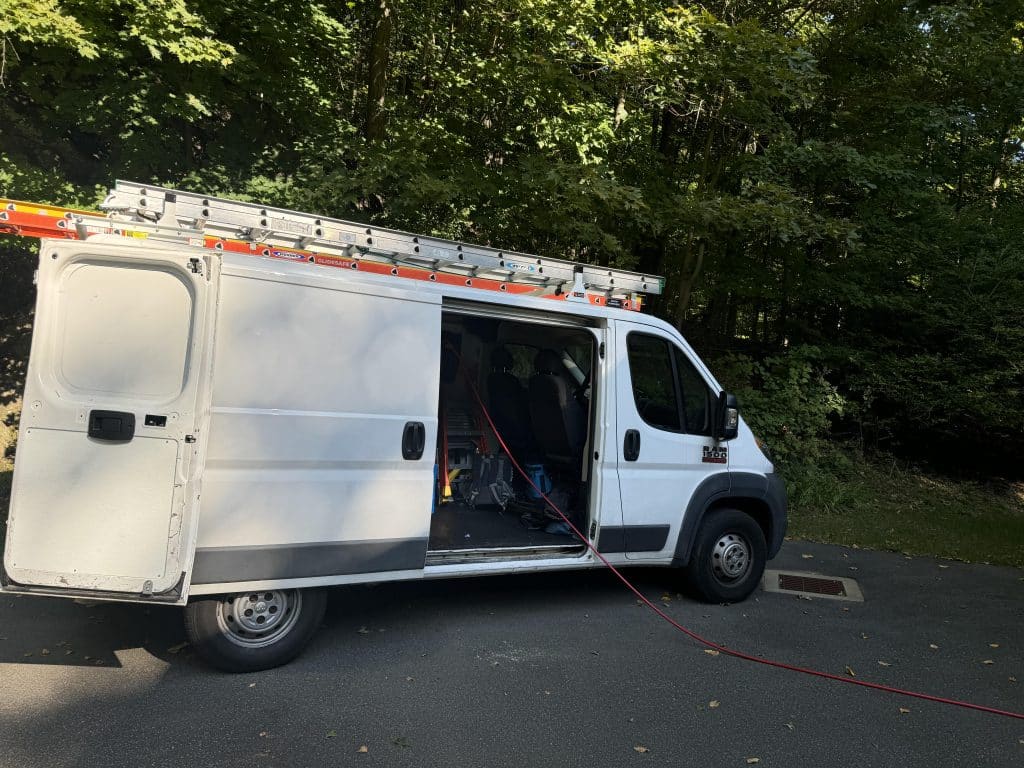
At Pro Air Cleaners, trained technicians use professional-grade, HEPA-filtered equipment and detailed inspection practices to address dryer vent buildup and identify repair needs. That approach is designed to give homeowners and property professionals a clearer picture of what is happening inside the vent system, rather than relying on guesswork.
When to Schedule Dryer Vent Maintenance
There is no single schedule that fits every property. A household that dries several loads each week may need service more often than a one-person home with limited laundry use. Families with pets may also see faster lint accumulation. Long vent runs, roof exits, older ductwork, and dryers located far from an exterior wall can all increase the need for regular inspection.
As a general rule, an annual professional dryer vent cleaning is a smart baseline for many homes. High-use laundry rooms, shared residential facilities, salons, gyms, hotels, and commercial operations may need more frequent service. If drying times have changed or any warning signs are present, do not wait for the next scheduled visit.
Between professional appointments, keep the lint screen clear before every load and avoid storing boxes, clothing, or cleaning supplies around the dryer. Leave enough space behind the appliance so the vent connection is not crushed when the machine is moved. These habits help, but they do not replace cleaning the concealed ductwork where lint can collect out of view.
A Safer Laundry Room Starts With Airflow
Dryer safety is not about waiting for smoke, a burning odor, or appliance failure. It is about recognizing that every load depends on a clear route for heat, moisture, and lint to leave the building. When drying takes longer, the room feels hotter, or the vent has not been professionally serviced in a year or more, schedule an inspection and address the problem before it becomes an emergency.
A clean, well-repaired dryer vent gives your appliance room to work efficiently and gives the people in your property one less hidden risk to worry about.