
If you dust the furniture on Saturday and see a new layer by Monday, the problem may not be limited to the surfaces you can see. Your heating and cooling system moves air through every occupied room, and that air can carry pet dander, pollen, lint, skin cells, construction debris, and ordinary household dust. Learning how to reduce dust in air ducts can help create a cleaner, more comfortable home while supporting better HVAC airflow.
Ductwork is not the only source of dust, and no home can be completely dust-free. The goal is to reduce the amount of debris entering the system, catch particles before they circulate, and remove buildup when the ducts need professional attention. That approach is especially helpful for homes with pets, allergy or asthma concerns, recent renovations, or visible dust around supply vents.
Why Dust Builds Up in Air Ducts
Your HVAC system pulls air back through return vents, conditions it, and sends it out through supply vents. Along the way, the system filters some airborne particles. But a neglected filter, gaps around duct connections, dirty returns, and heavy household activity can allow more dust to settle inside the duct system.
Dust buildup often increases after remodeling, drywall work, flooring installation, or a move. Fine construction particles can travel farther than expected and may continue circulating if they were not contained during the project. Homes with shedding pets, smokers, fireplaces, or frequent open windows can also need more frequent attention.
Older ductwork may have additional concerns. Loose connections, damaged insulation, or unsealed joints can draw dusty air from attics, basements, crawlspaces, and wall cavities. In that situation, cleaning alone may improve the immediate condition, but repair or replacement may be necessary to keep the problem from returning.
Start With the HVAC Filter
The filter is your first practical defense against airborne dust. Check it regularly and replace it according to the manufacturer’s guidance, usually every one to three months. A home with pets, high seasonal pollen, or several occupants may need more frequent changes than a lightly used home.
Choose a filter that fits your system and your household needs. Higher-efficiency filters can capture smaller particles, but the highest rating is not always the right choice. If a filter is too restrictive for an older or improperly sized system, it can reduce airflow and put extra strain on equipment. A qualified HVAC or duct professional can help you balance filtration with proper system performance.
When replacing a filter, make sure the airflow arrow points in the correct direction and that the filter sits securely in its housing. A poorly fitted filter can allow dust to bypass it entirely.
Keep Dust From Reaching the Returns
Return vents collect air from the living space, so they naturally collect dust faster than many supply vents. Vacuum return grilles with a brush attachment and wipe them with a damp microfiber cloth as part of routine cleaning. Do not push a vacuum hose or household tools deep into the duct opening, where they can dislodge debris or damage components.
The area around returns matters, too. Avoid placing dusty storage bins, pet beds, or laundry piles directly beside return vents. Sweep and vacuum nearby floors often, especially in entryways and high-traffic rooms where dirt is carried in from outside.
For households dealing with persistent dust, a few habits make a measurable difference. Use a HEPA-filtered vacuum where possible, wash bedding regularly, groom pets, and use doormats at exterior doors. If outdoor air quality is poor or pollen counts are high, keep windows closed during the worst periods rather than relying on open windows for ventilation.
Control Humidity and Moisture Issues
Dust is not the only concern inside ductwork. Excess moisture can make dust cling to interior surfaces and can contribute to odors or mold-related contamination. Condensation near vents, water stains around registers, musty smells when the HVAC system runs, or unusually high indoor humidity deserve attention.
Start by checking that bathroom exhaust fans vent outside and are actually moving air. A clogged or damaged bathroom vent can allow humidity to linger in the home. Dryers should also vent properly outdoors, with lint removed from the vent line on a regular schedule. These systems do different jobs than air ducts, but they all affect the home’s overall air quality and moisture control.
If you suspect a roof leak, plumbing leak, wet insulation, or water intrusion near ductwork, address the source before scheduling duct cleaning. Cleaning a system while moisture remains unresolved can lead to repeat contamination.
When Professional Duct Cleaning Makes Sense
Routine filter changes and household cleaning reduce the dust entering your HVAC system, but they cannot remove buildup from deep inside the ducts, trunk lines, blower area, and returns. Professional air duct cleaning is a sensible next step when there is visible debris around vents, dust returns quickly after cleaning, airflow feels weak in certain rooms, or odors appear when heating or air conditioning starts.
It is also worth considering after construction or renovation, before moving into a previously occupied property, after pest activity, or when a home has gone through a long period without duct maintenance. For landlords and property managers, cleaning and inspecting ductwork between tenants can help identify damaged vents, disconnected sections, and hidden debris before they become comfort complaints.
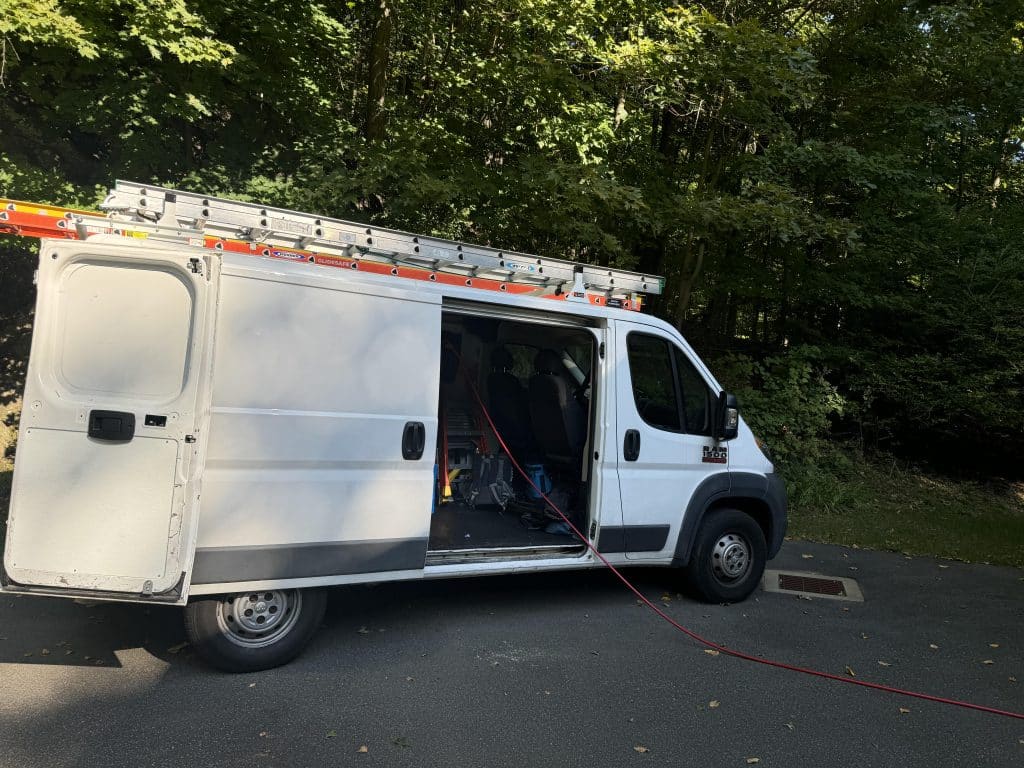
A proper service should be more than a quick vacuum at the registers. Trained technicians should inspect the system, use agitation tools to loosen accumulated debris, and capture it with powerful HEPA-filtered vacuum equipment. Post-cleaning inspection helps confirm that the work addressed the targeted areas. If mold-like growth or moisture is suspected, the service provider should explain what was found and whether further evaluation or repairs are needed.
Repair Leaks That Pull in Dust
If cleaned ducts become dusty again unusually fast, ask for an inspection of the duct connections and vent components. Leaks can pull unfiltered air from spaces that are not part of your living area. In a basement, attic, crawlspace, or utility room, that air may contain insulation fibers, dirt, or moisture-related contaminants.
Duct repair can improve more than cleanliness. Properly connected and sealed ducts help conditioned air reach the rooms where it belongs, which may improve comfort and reduce wasted energy. The right repair depends on the location and condition of the ductwork. A loose vent boot may need a simple correction, while crushed, rusted, or deteriorated ducts may require replacement.
Avoid Shortcuts That Create Bigger Problems
Do not spray household fragrances, disinfectants, or unapproved chemicals into vents to cover up odors. These products may not solve the source of the odor and can introduce irritating compounds into the air stream. Likewise, avoid blocking registers in an effort to keep dust from blowing into a room. Closing too many vents can disrupt system balance and reduce airflow.
Be cautious with low-cost offers that promise to clean an entire system in a very short visit. Thorough duct cleaning requires access, equipment, and time. A reputable provider should be able to explain the process clearly, identify any additional work before performing it, and provide straightforward pricing.
A Cleaner System Supports a More Comfortable Property
The best way to reduce dust in air ducts is to combine regular filter changes, careful home cleaning, moisture control, and professional inspection when the signs point to hidden buildup or damaged ductwork. These steps can help reduce airborne particles, protect HVAC performance, and make rooms feel fresher without relying on temporary fixes.
For homes, apartments, offices, and commercial properties across Connecticut, Massachusetts, and New York, Pro Air Cleaners provides air duct cleaning, vent repair, and video inspections designed to show what is happening inside the system. If dust keeps returning or your vents show signs of buildup, a professional assessment can provide a clear path toward cleaner air and better airflow.