A dryer that suddenly needs two or three cycles to dry a normal load is not just frustrating. It can be a warning that heat and lint are not leaving the home the way they should. Knowing when to replace a dryer vent hose helps protect your laundry equipment, reduce wasted energy, and address a preventable fire risk before it becomes a larger property problem.
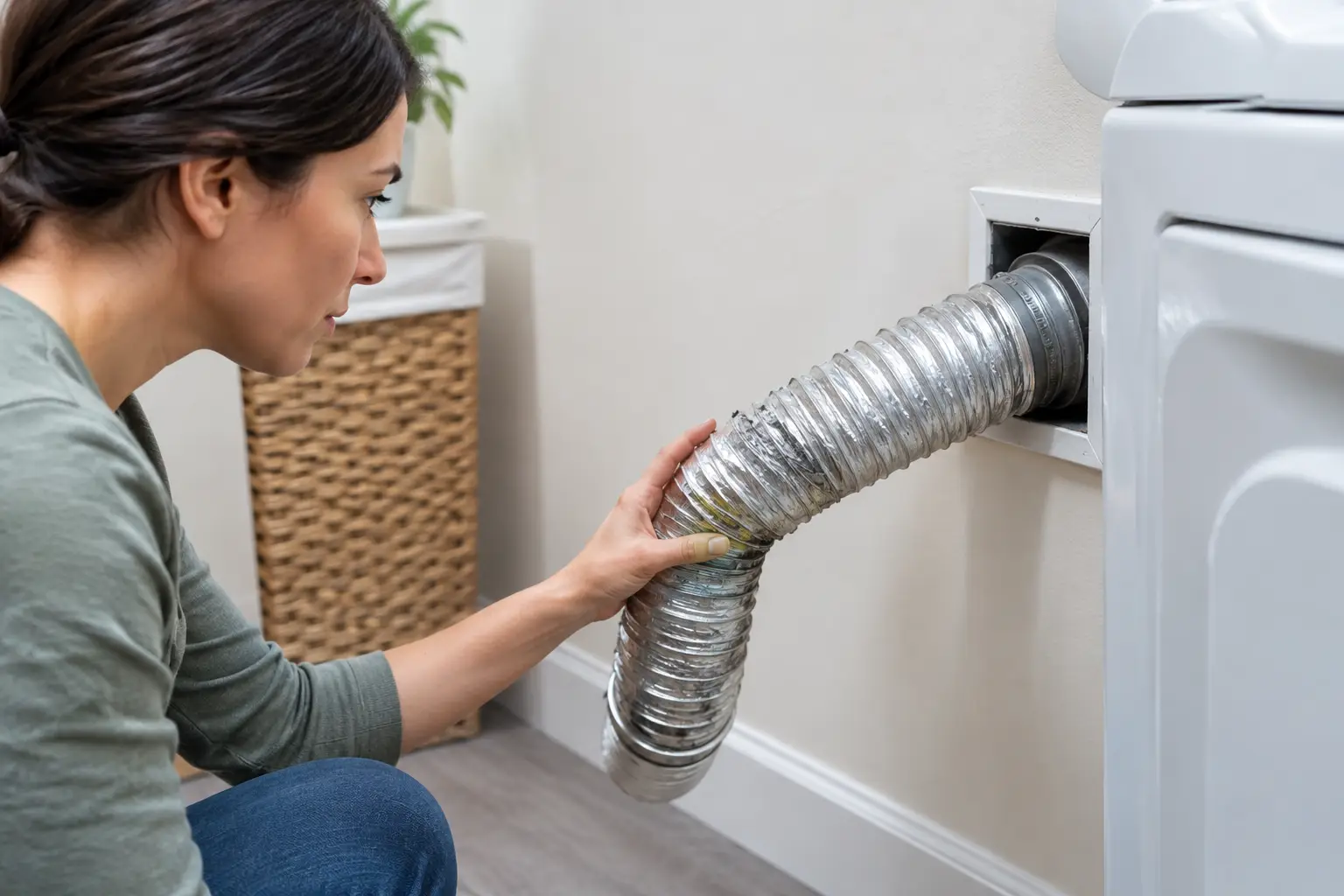
The flexible connection behind the dryer is often called a dryer vent hose, but it is more accurately a transition duct. It carries hot, moist air and lint from the dryer to the fixed vent line that exits the building. Because it is hidden behind a heavy appliance, it is easy to overlook until airflow becomes restricted or the material begins to fail.
When to Replace a Dryer Vent Hose
A dryer vent hose does not have one universal replacement schedule. Its lifespan depends on the material, how the dryer was installed, how frequently it is used, and whether the line is cleaned regularly. A properly installed metal transition duct can last for years, while thin foil or plastic hoses may need immediate replacement.
Replace the hose promptly if it is crushed, torn, loose, rusted, heavily kinked, or coated with lint that cannot be safely removed. It should also be replaced when moving a dryer, remodeling a laundry area, or correcting an installation that uses an unsafe material. A hose may look intact from the front while being flattened against the wall behind the appliance, so a hands-on inspection matters.
For most households, checking the connection at least once a year is a practical habit. Homes with large families, pets, frequent laundry loads, or long vent runs may benefit from more frequent inspection and professional dryer vent cleaning.
1. The Hose Is Plastic, Vinyl, or Thin White Vinyl
Plastic and vinyl dryer hoses are not designed to handle the heat and lint produced by modern dryers. They can sag, split, trap lint in their ridges, and contribute to a fire hazard. If you find a flexible white, plastic, or vinyl hose behind your dryer, replacing it with an approved metal transition duct should be a priority.
Thin foil accordion-style hoses also create problems. Their ridges collect lint, and the material can crush easily when the dryer is pushed back into place. In many installations, a smooth-walled metal duct is the better long-term choice because it supports stronger airflow and gives lint fewer places to collect.
2. Drying Times Are Getting Longer
Long dry times are one of the most common signs of restricted venting. When moist air cannot move efficiently outdoors, clothes stay damp longer and the dryer must work harder. That extra run time can increase utility costs and place unnecessary strain on heating elements, sensors, belts, and other components.
The hose may be the problem if it is bent sharply, compressed behind the dryer, or packed with lint. However, a slow dryer can also point to blockage farther down the vent line, a clogged exterior hood, or an appliance issue. Replacing only the hose will not solve a restriction inside the wall or at the roof exit. A complete inspection is the safest way to identify where airflow is being lost.
3. You Notice Excess Heat, Humidity, or a Burning Smell
A laundry room that feels unusually hot or humid during a cycle deserves attention. A functioning dryer vent system should carry moisture outdoors. If that moisture is backing up indoors, the hose may be disconnected, damaged, or restricted.
A burning odor is more urgent. Stop using the dryer, allow it to cool, and arrange for an inspection. Lint is highly combustible, and excessive heat can also damage the dryer itself. While not every odor means there is an active fire, it is not a symptom to ignore or troubleshoot by running another load.
4. There Is Visible Lint Around the Dryer or Vent Connection
Lint outside the lint screen is a clue that the system is leaking or airflow is restricted. Check the floor, the wall behind the dryer, and the connection points at the dryer and wall. A loose clamp, torn hose, or poorly fitted connection can release lint into the room.
Visible lint at the exterior vent hood can be normal in small amounts, but the flap should open freely while the dryer is operating and close when it is off. If the flap remains shut, the vent may be blocked. If it remains open, pests, weather, and outdoor debris may enter the line.
5. The Hose Is Kinked, Crushed, or Too Long
Dryers are frequently pushed too close to the wall, flattening the hose and restricting airflow. A flexible connection should follow the shortest practical route without sharp bends, unnecessary loops, or sagging sections. Extra length may seem harmless, but every bend and low spot can collect lint and reduce performance.
This is especially common after a new washer or dryer is installed. Even a well-maintained hose can become damaged when the appliance is moved. If there is not enough clearance for the dryer and a proper vent connection, the installation may require a recessed vent box, a periscope-style metal connector, or another code-appropriate solution. The best option depends on the space and the dryer manufacturer’s requirements.
6. The Hose Is Disconnected or Poorly Secured
A dryer hose should be firmly connected at both ends with appropriate clamps. If it slips off the wall connection or dryer outlet, hot humid air and lint may discharge directly into the laundry area. This can contribute to odors, elevated humidity, dust buildup, and moisture-related damage.
Avoid using screws that protrude into the duct interior. Their tips can catch lint. Professional installation focuses on secure, smooth connections that support airflow and allow the system to be inspected later.
7. It Has Been Years Since the Vent System Was Cleaned
A new hose cannot correct lint buildup inside the rest of the dryer vent line. The concealed ductwork behind walls, above ceilings, or through attics can collect lint over time, particularly in long or complex runs. If your dryer vent has not been professionally cleaned in several years, or you do not know its maintenance history, replacement should be paired with a full cleaning and airflow inspection.
This is particularly relevant for landlords, multifamily property managers, salons, laundromats, and commercial facilities. More frequent use means more lint, greater equipment strain, and a shorter margin for neglect. Documented inspection and maintenance can help maintain safer, more reliable laundry operations.
What Material Should Replace an Old Dryer Vent Hose?
The safest replacement is usually a metal transition duct that meets the dryer manufacturer’s installation instructions and applicable local requirements. Smooth, rigid metal ductwork is generally preferred for fixed vent runs because it is durable, easier to clean, and less likely to trap lint. Where flexibility is necessary directly behind the appliance, a short, listed semi-rigid metal connector may be appropriate.
The right material is only one part of the job. The route, length, number of turns, exterior termination, and available clearance all affect dryer performance. A long run with multiple bends may require more frequent cleaning even if every component is metal and properly installed.
Replacement Does Not Eliminate the Need for Cleaning
Homeowners sometimes replace a visible hose and assume the entire dryer vent system is clear. Unfortunately, the most significant buildup is often farther along the line. Lint can accumulate at elbows, low points, wall penetrations, exterior hoods, and roof caps where it cannot be seen from the laundry room.
A professional service can disconnect and inspect accessible connections, clean the full line with proper agitation and vacuum equipment, and confirm that air is reaching the exterior termination. At Pro Air Cleaners, post-cleaning inspections and video inspection options help property owners see the condition of hidden ventilation areas instead of guessing.
A Safer Next Step for Your Laundry Room
If your dryer is taking longer to dry, producing excess heat, or connected to a plastic, foil, damaged, or crushed hose, do not wait for a complete failure. Stop using the appliance if you smell burning or see signs of overheating, then have the vent path inspected. A properly fitted metal connection and a clean, open vent line can help your dryer run more efficiently while supporting a safer, more comfortable home or facility.