Dust on a coffee table is easy to spot. Dust inside supply ducts, return vents, and HVAC components is not. Yet that hidden buildup can keep circulating whenever your heating or cooling system runs. A HEPA air duct cleaning service is designed to remove loosened debris while using high-efficiency filtration to help keep fine particles from being released back into your living or working space.
For homeowners, landlords, and facility managers, the goal is practical: cleaner airflow, less visible dust, fewer lingering odors, and a ventilation system that does not have to work as hard. HEPA filtration is especially valuable when a property has allergy concerns, pets, recent construction dust, moisture issues, or a long gap since the ductwork was last professionally cleaned.
What HEPA Filtration Adds to Duct Cleaning
HEPA stands for high-efficiency particulate air. In a professional duct-cleaning setup, HEPA-filtered equipment helps capture very small particles collected during the cleaning process. This matters because duct cleaning involves disturbing dust, dander, pollen, lint, and other debris that may have settled inside the system over time.
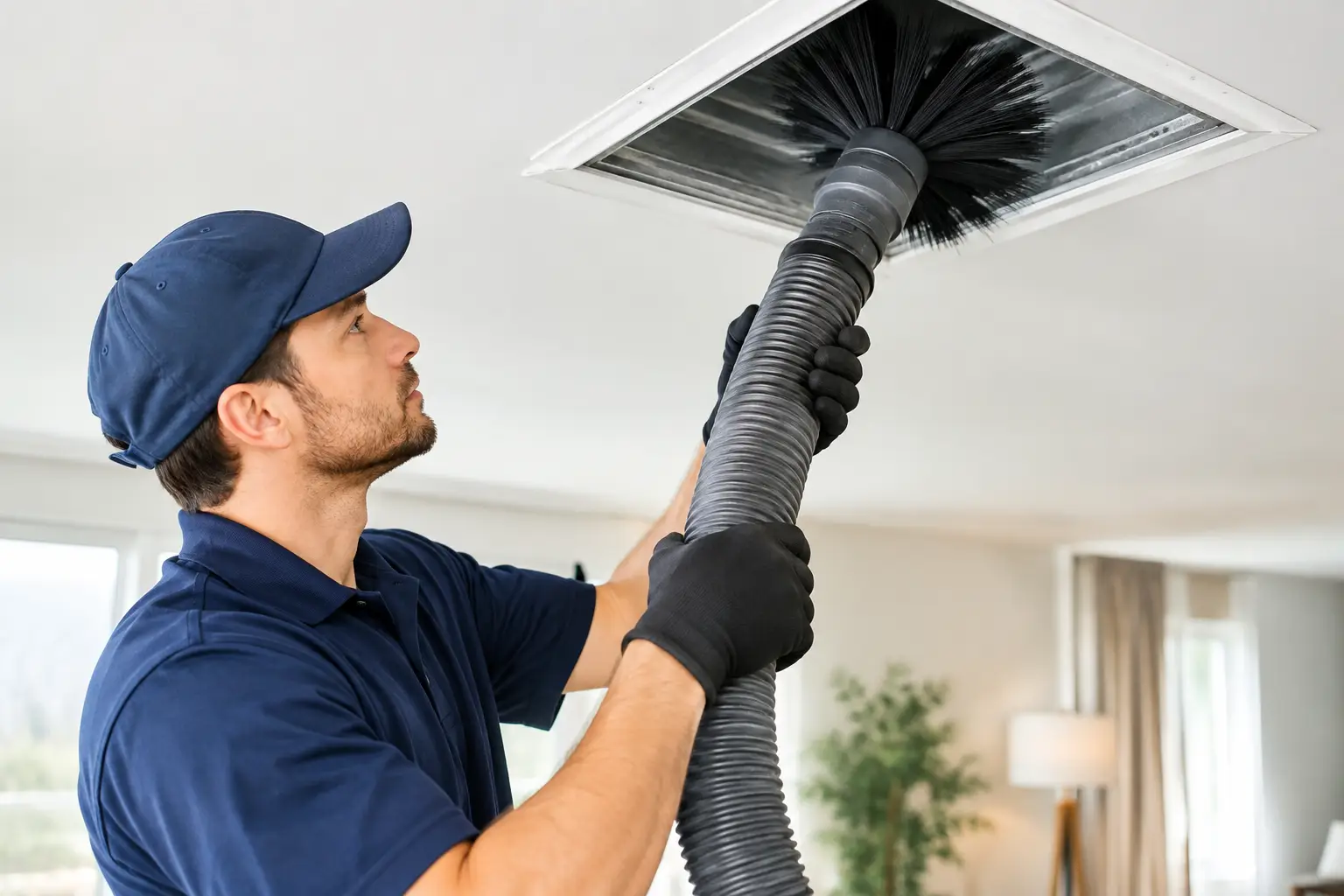
A proper service is not simply placing a vacuum hose near a vent. Technicians access the duct system, use controlled negative air pressure and agitation tools to loosen buildup, and collect the debris through specialized vacuum equipment. Brushes, air tools, and other methods may be used depending on the duct material, layout, condition, and level of contamination.
HEPA filtration is one part of that process, not a substitute for it. A HEPA vacuum cannot remove buildup that has not been properly reached and dislodged. Likewise, aggressive cleaning is not always the answer. Older, damaged, flexible, or poorly sealed ductwork may need a more careful approach, repair, or replacement before cleaning can deliver the best result.
Signs Your Property May Benefit From a HEPA Air Duct Cleaning Service
No one schedule fits every home or commercial building. A lightly used system in a clean, well-maintained home may need attention less often than ducts serving a busy office, a multifamily property, or a household with several pets. The condition of the system matters more than a generic calendar reminder.
Still, several signs are worth taking seriously. You may notice dust returning quickly after cleaning, musty or stale smells when the HVAC starts, reduced airflow from certain vents, or dark debris around registers. Family members or employees may also report more irritation from allergies, asthma, or respiratory sensitivities while indoors. These symptoms do not automatically prove that ducts are the cause, but they are a good reason to inspect the system instead of guessing.
Recent renovations are another common trigger. Drywall dust, sawdust, insulation fibers, and other fine construction debris can travel farther than expected, especially when heating or cooling runs during a project. Move-ins after a previous owner, smoke exposure, pest activity, water events, and neglected filters can also justify a professional evaluation.
For commercial properties, inconsistent maintenance across tenant spaces can complicate matters. Office suites, retail locations, and multifamily buildings often have different occupancy levels, cleaning routines, and HVAC demands. An inspection helps determine whether targeted cleaning, broader system cleaning, vent repair, or another service is the sensible next step.
What a Thorough Duct Cleaning Visit Should Include
A reliable provider begins by looking at the system rather than making promises based only on square footage. Duct design, access points, the number of returns and registers, the air handler, and the visible condition of vents all affect the scope of work.
Inspection Before Cleaning
Technicians should identify obvious buildup, damaged vents, loose connections, signs of moisture, and areas that may limit access. Video inspection can be particularly helpful because it gives property owners a clearer look at hidden conditions. It also helps separate normal household dust from issues that may need additional attention, such as suspected mold-related contamination or duct damage.
If active moisture or a leak is present, cleaning alone may not solve the problem. The source of humidity must be corrected, or odors and microbial growth can return. This is why practical recommendations matter more than a one-size-fits-all cleaning package.
Source Removal, Not Just Vent Vacuuming
During cleaning, equipment creates negative pressure so debris is drawn toward the collection unit. Technicians work through accessible portions of supply and return ducts, using agitation tools to loosen material from interior surfaces. Registers and grilles may be cleaned as part of the process, but surface cleaning at the vent is only the visible portion of the job.
The air handler, blower area, and other HVAC components may also need evaluation. Dust accumulation on critical components can affect efficiency and airflow. However, what can safely be cleaned depends on the equipment manufacturer’s guidance and the actual condition of the system.
Post-Cleaning Review
A post-cleaning inspection provides accountability. You should be able to ask what was found, what was cleaned, whether any repairs are recommended, and whether the technician saw indications of ongoing moisture, insulation damage, or disconnected ductwork. Clear answers help you decide what to address now and what to monitor over time.
Health, Comfort, and Equipment Benefits
Duct cleaning is not a medical treatment, and no responsible company should promise it will cure allergies or asthma. Indoor air quality is affected by many factors, including outdoor pollen, cleaning products, pet activity, carpeting, humidity, filtration, and ventilation habits.
What duct cleaning can do is remove accumulated material from a part of the building that is otherwise difficult to reach. When paired with regular filter changes and good moisture control, it can reduce a reservoir of dust and debris that may circulate through the HVAC system.
Many customers notice the day-to-day benefits first: rooms feel less stale, vents look cleaner, and dusting feels more manageable. Improved airflow can also reduce unnecessary strain on heating and cooling equipment when buildup or restricted vents have been contributing to poor performance. Results vary, especially if the main issue is an undersized HVAC system, a failing blower, leaky ducts, or an unrelated humidity problem.
Do Not Overlook Connected Ventilation Issues
Air ducts are not the only pathways that affect indoor air and property safety. A clogged dryer vent can restrict airflow, lengthen drying times, waste energy, and increase fire risk. Bathroom vents can hold moisture and lint, contributing to excess humidity and persistent odors. Kitchen hoods need regular attention to manage grease and improve ventilation in homes and commercial food spaces.
If an inspection shows damaged registers, crushed flex duct, disconnected sections, or failing vent covers, repair or replacement may provide more value than cleaning alone. A clean duct with a major air leak still wastes conditioned air. The right solution should address both cleanliness and system performance.
How to Choose a Service Provider
Look for a company that explains its process plainly, uses professional collection equipment with HEPA filtration, and provides a clear scope before work begins. Be cautious of unusually low advertised prices that do not account for the number of vents, system access, contamination level, or necessary equipment. Those offers can lead to surprise add-ons or a rushed, incomplete job.
Ask whether the provider is insured, how they protect floors and furnishings, whether they inspect the system before and after cleaning, and how they handle suspected moisture or mold-related concerns. You want recommendations based on what the technician sees, not pressure to purchase services your property does not need.
With more than 30 years of experience, Pro Air Cleaners uses HEPA-filtered equipment, agitation methods, and post-cleaning inspections to help Connecticut, Massachusetts, and New York property owners make informed decisions about their ductwork and ventilation.
A clean HVAC system works best when it is supported by routine filter changes, dry and well-maintained vents, and timely repairs. If dust, odors, poor airflow, or a recent renovation has raised questions about what is inside your ductwork, a professional inspection can replace uncertainty with a clear, practical plan.