
Table of Contents
- Why Dryer Vents Become Fire Hazards
- Warning Signs Your Dryer Vent Needs Attention
- How Often to Clean Your Dryer Vent
- Visual Inspection Guide for Vent Safety
- Preventing Dryer Vent Fires: Key Steps
- When to Call a Professional Dryer Vent Cleaning Service
- Conclusion
Why Dryer Vents Become Fire Hazards
A clogged dryer vent is one of the leading causes of residential fires. When lint and debris accumulate inside your ductwork, they restrict airflow and trap heat inside the dryer chamber, creating perfect conditions for combustion.
Lint is highly flammable. Every time you dry clothes, thousands of tiny fibers shed from fabric and get pulled through the lint screen. While the screen catches most of it, some lint inevitably makes it into the duct system. Over months and years, these fibers compress and pack tightly against the duct walls, forming a dense, combustible layer.
As lint accumulates, it blocks the passage of hot air exiting your dryer. The heating element continues to generate temperatures between 120-160°F, but instead of venting outside, this heat gets trapped inside the cabinet (cpsc.gov). A dryer vent that’s only 25% blocked can reduce airflow by up to 50%, causing internal temperatures to climb rapidly (the CDC). Once lint reaches approximately 400°F, it can spontaneously combust without any external spark (peer-reviewed research).
The National Fire Protection Association (NFPA) reports that lint accumulation is the primary factor in dryer fires. Regular vent cleaning isn’t optional, it’s a critical fire prevention measure.
A dryer that’s still running hot after the cycle ends indicates heat is being trapped inside, signaling airflow restriction and potential fire risk. Stop using the dryer immediately and schedule a professional inspection.
Warning Signs Your Dryer Vent Needs Attention
Recognizing early warning signs of a problematic dryer vent is your best opportunity to prevent a fire before lint buildup becomes dangerous.
Damp clothes after a full drying cycle is one of the first red flags. If clothes are still damp or wet after a complete cycle, your dryer isn’t venting properly. Lint blocking the duct forces the dryer to work harder, often unable to move enough air volume to fully dry the load.
A burning smell or excessive heat from the dryer demands immediate attention. An acrid, burnt smell when the dryer runs indicates lint may already be smoldering inside the duct. If the dryer’s exterior feels extremely hot to the touch or the laundry room becomes unusually warm, heat is accumulating instead of venting outside, a critical fire hazard.
Lint accumulation around the vent opening is visible proof of system failure. The exterior vent hood should show a clear opening with a functioning flapper. If lint is piling up around this opening or clogging the hood itself, the blockage is severe.
Longer drying times and reduced efficiency develop gradually. If loads that once dried in one cycle now require two, your dryer is working overtime to push air through a partially blocked vent. This wastes energy and increases utility bills while creating fire risk.
Damp clothes, burning smells, visible lint around the vent opening, and longer drying times are early warning signals that your dryer vent requires immediate cleaning.
How Often to Clean Your Dryer Vent
The frequency of dryer vent cleaning depends on usage and vent design. A clear maintenance schedule prevents lint from accumulating to dangerous levels.
Annual inspection and preventative maintenance should be your baseline. Most homeowners should have their dryer vent professionally inspected at least once per year. This inspection checks the entire vent pathway from the dryer outlet to the external hood, looking for lint accumulation, blockages, and ductwork damage. A professional can also evaluate whether your vent material, flexible hose, semi-rigid duct, or rigid metal duct, is contributing to lint buildup.
Additionally, clean the lint screen before every load and vacuum around the dryer and vent area monthly to reduce lint entering the duct system.
When to clean more frequently depends on your situation. Large households doing multiple loads daily may need professional cleaning every 6 months. If you notice any warning signs, damp clothes, burning smells, longer drying times, don’t wait for your annual appointment. Schedule cleaning immediately. Homes with flexible hose vents or vents with multiple bends also accumulate lint faster and benefit from more frequent cleanings.
A vent running 25 feet with multiple 90-degree bends will trap lint more easily than a short, straight vent. Longer, more complex systems should be inspected and cleaned more frequently.
Mark your calendar for your annual dryer vent inspection. Many homeowners pair this with seasonal HVAC maintenance in the fall. If you use your dryer heavily, set a reminder for a mid-year inspection as well.
Visual Inspection Guide for Vent Safety
A basic visual inspection can reveal whether your dryer vent is accumulating dangerous lint levels and functioning properly.
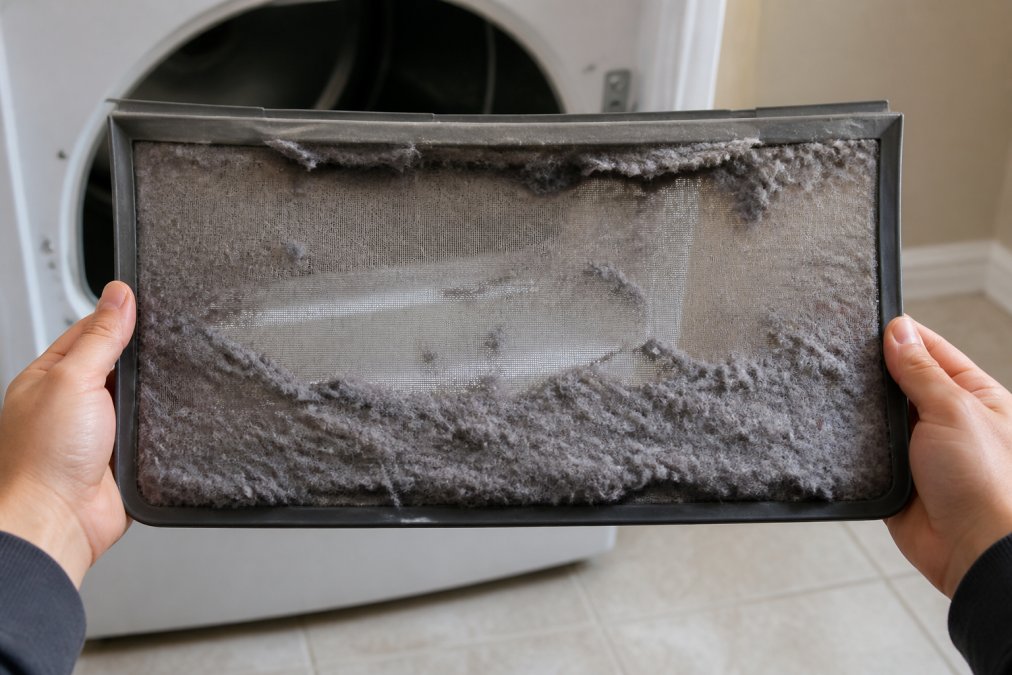
Checking the lint screen and internal duct is the first step. Remove the lint screen and examine it closely, it should be clean and free of debris. If lint is packed tightly into the mesh or buildup appears on the screen compartment sides, lint is escaping into the duct system. Use a flashlight to peer into the duct opening behind the lint screen. You should see a clear, unobstructed passage. If lint coats the interior duct walls, professional cleaning is needed.
Inspecting vent material and external vent hood requires checking where your vent exits your home. The external vent hood’s flapper or damper should move freely, opening and closing without resistance. If stuck, lint or debris is jamming it. Look around the hood’s perimeter for lint accumulation. You should see clear, open space. If lint is piled up or the opening is partially blocked, a serious blockage exists inside the duct.
Examine visible duct material. Flexible hose (accordion-style) traps lint more easily than rigid metal duct because interior ridges catch fibers. Semi-rigid ducts are a middle ground. Rigid metal duct best minimizes lint buildup.
Evaluating vent length and bends matters because longer, more complex runs accumulate lint more easily. Count the number of 90-degree bends if visible. Each bend creates a point where lint settles. A straight vent from dryer to outside is ideal. A vent with multiple turns and a long run (more than 25 feet) is more prone to problems. Also check whether the vent terminates properly at the exterior without unnecessary extensions.
Preventing Dryer Vent Fires: Key Steps
Fire prevention requires understanding that your dryer vent demands active maintenance. These four steps form the foundation of a safe system.
Step 1: Clean the lint screen before every load. Remove and wipe the lint screen clean before starting each cycle. A clean screen allows maximum airflow through the dryer, reducing lint that escapes into the duct system. This takes 10 seconds and prevents ductwork accumulation.
Step 2: Schedule professional vent cleaning annually. Even with a clean lint screen, some lint inevitably enters the duct system. Professional vent cleaning removes accumulated lint you can’t reach with a vacuum or brush. Pro Air Cleaners uses state-of-the-art equipment to thoroughly clean the entire vent pathway from the dryer outlet to the external hood, removing compacted lint and debris. This annual maintenance prevents lint from reaching dangerous levels.
Step 3: Ensure proper vent termination and airflow. Your vent should exit directly outside through the shortest, most direct path. Avoid vents running through attics, crawl spaces, or interior walls. Use rigid metal or semi-rigid material rather than flexible hose. Ensure the external vent hood has a functioning damper that opens freely when the dryer runs. Proper airflow allows the dryer to expel heat and moisture efficiently, reducing heat accumulation and lint ignition risk.
Step 4: Monitor for mechanical failure and thermal fuse damage. If your dryer repeatedly blows thermal fuses or shuts off unexpectedly, heat is building up inside the cabinet, indicating your vent is restricted and a fire hazard. Don’t simply replace the fuse. Have the vent professionally inspected and cleaned. A dryer that keeps overheating despite a clean lint screen indicates the duct system is the problem.
If your dryer shuts off mid-cycle or you smell burning, stop using it immediately. These signs indicate your vent system is failing and your dryer is a fire hazard. Contact a professional for inspection before using the dryer again.
When to Call a Professional Dryer Vent Cleaning Service
While basic maintenance like cleaning the lint screen is something every homeowner can do, professional vent cleaning requires specialized equipment and expertise.
Signs you need professional help immediately include any warning signs discussed earlier: damp clothes after a full cycle, burning smells, visible lint around the external vent hood, or significantly longer drying times. If you’ve noticed any of these, your vent system is compromised and requires professional attention immediately.
Additionally, if your dryer is more than 5-7 years old and has never had professional vent cleaning, schedule one now. Lint accumulation is cumulative, and older dryers likely have significant blockages. If you’ve recently moved into a home and don’t know the dryer vent’s history, have it professionally inspected.
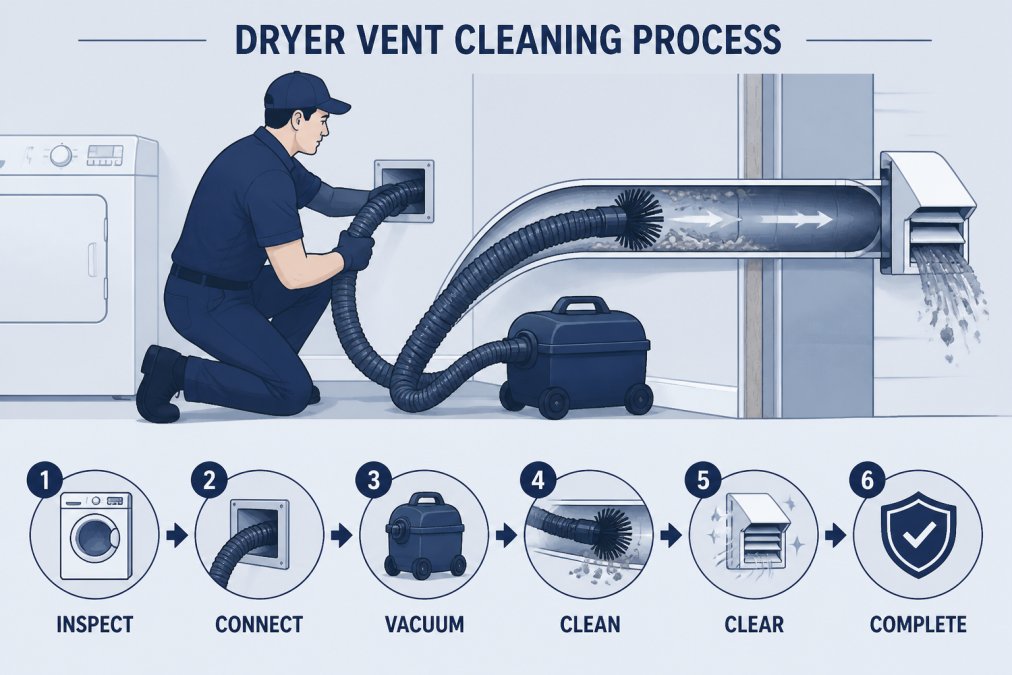
What professional cleaning removes goes far beyond what a vacuum or brush can accomplish. Professional vent cleaners use high-powered equipment, including rotary brushes, air whips, and vacuum systems, to dislodge and remove compacted lint adhered to duct walls. They access the entire vent pathway, including areas unreachable from inside your home, and inspect for damage, improper connections, or design flaws that increase fire risk.
At Pro Air Cleaners, our team brings over 30 years of experience to every job. We use state-of-the-art equipment specifically designed for dryer vent cleaning and inspect your entire system from the dryer outlet to the external vent hood. Professional cleaning typically takes 1-2 hours and can be scheduled at your convenience.
A dryer vent that’s a fire hazard demands your immediate attention. The warning signs are clear, the risks are severe, and the solution is straightforward. Contact Pro Air Cleaners to schedule your professional dryer vent inspection and cleaning. Our team will remove accumulated lint, restore proper airflow, and give you peace of mind knowing your home is safe. Get a free estimate today.
| Warning Sign | What It Means | Action Required |
|---|---|---|
| Damp clothes after full cycle | Airflow restriction | Schedule professional cleaning |
| Burning smell from dryer | Lint may be smoldering | Stop using dryer; call professional immediately |
| Lint around external vent | Severe blockage | Professional cleaning required |
| Longer drying times | Restricted airflow | Professional inspection and cleaning |
| Dryer shuts off mid-cycle | Thermal fuse triggered by overheating | Professional inspection before next use |
| Visible lint in lint screen area | Lint escaping into duct | Clean screen before every load; schedule vent cleaning |
Frequently Asked Questions
Q: How often should you have your dryer vent professionally cleaned?
A: Most homeowners should have their dryer vent professionally cleaned annually as part of preventative maintenance. However, if you notice warning signs like damp clothes, longer drying times, or a burning smell, don't wait, schedule cleaning immediately. Households with pets or heavy dryer use may benefit from cleaning every 6 months to prevent lint accumulation and reduce fire hazard risk.
Q: What are the primary causes of dryer vent fires?
A: Dryer vent fires are primarily caused by lint buildup restricting airflow, which traps heat and creates combustion conditions. When lint accumulates in the duct, it blocks the exhaust vent, causing backpressure and overheating. Poor vent termination, flexible hose kinks, and mechanical failure of the thermal fuse also contribute. Regular cleaning and annual inspections are essential to prevent these fire hazards.
Q: What happens if your dryer vents into your house instead of outside?
A: If your dryer vents indoors, moisture accumulation becomes a serious problem, promoting mold growth and increasing humidity levels. This creates poor indoor air quality and can damage drywall and insulation. Additionally, lint and debris circulate through your home instead of being exhausted outside. For fire safety and air quality, dryer exhaust must always terminate outside through a proper external vent hood.
Q: How can I tell if my dryer vent is clogged?
A: Common signs of a clogged dryer vent include damp or wet clothes after a full drying cycle, longer drying times than normal, a burning smell coming from the dryer, excessive heat around the appliance, and visible lint accumulation around the external vent hood. You may also notice reduced dryer efficiency and higher energy bills. These warning signs indicate airflow restriction and debris accumulation requiring immediate attention.
This article was written using GrandRanker